Have you ever noticed something weird? Oil is priced in dollars. International debts are settled in dollars. Countries on the other side of the planet hoard US dollars like they’re the last rolls of toilet paper in a pandemic.
But why? What makes the US dollar so special that the entire global economy basically runs on it? The answer lies in two words: reserve currency.
What Exactly Is a Reserve Currency?
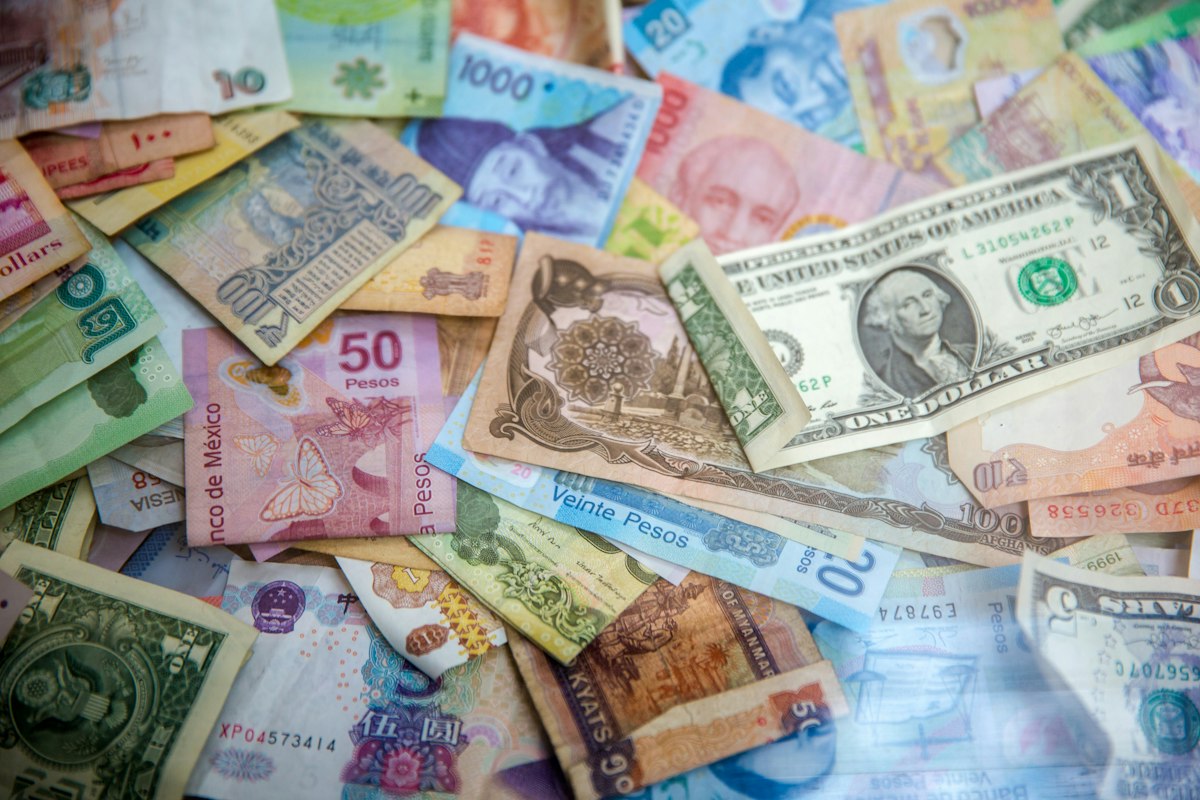
A reserve currency is basically the world’s “default” money. It’s the currency that central banks around the globe keep in massive stockpiles, that international trade is conducted in, and that everyone trusts when things get messy.
Think of it like English being the global language of business. A Japanese company doing a deal with a Brazilian company? They’ll probably communicate in English. The US dollar plays the same role — but for money.
Right now, the US dollar makes up about 59% of all global foreign exchange reserves. The euro comes in a distant second at around 20%. Every other currency — the yen, the pound, the Chinese yuan — fights over the remaining scraps.
How Did the Dollar Become King?
The dollar didn’t always rule the world. For centuries, the British pound sterling was the top dog. Before that, it was the Spanish dollar, the Dutch guilder, and even the Roman denarius. Reserve currencies come and go — but the transition usually takes decades, not days.
The US dollar’s rise to dominance has a specific origin story: Bretton Woods, 1944.
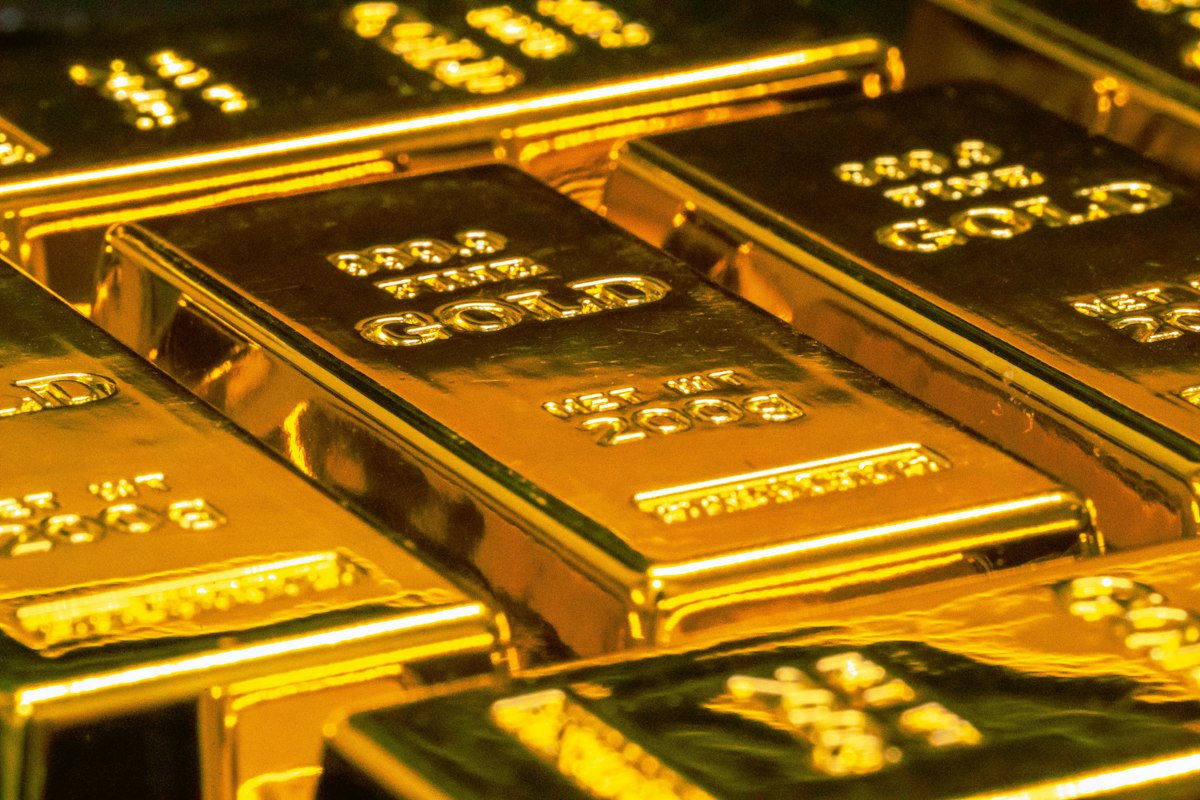
As World War II was ending, 44 countries sent delegates to a hotel in Bretton Woods, New Hampshire. Their mission? Create a new global monetary system from the rubble of war. The deal was simple but revolutionary: every country would peg their currency to the US dollar, and the dollar would be backed by gold at $35 per ounce.
Why the dollar? Because after the war, the US held about 75% of the world’s gold and had the only major economy left standing. It was the obvious choice.
This system worked great until 1971, when President Nixon “closed the gold window” — meaning the dollar was no longer backed by gold. People panicked. “The dollar is just paper now!” they cried. But something wild happened: everyone kept using it anyway. Why? Because the entire global trading system was already built around the dollar. Switching would be like rebuilding the internet from scratch.
The Superpowers of Being the Reserve Currency
Being the reserve currency gives the US some absolutely insane advantages:
1. Print money, export inflation: When the US prints more dollars, the whole world absorbs the inflation — not just Americans. It’s like splitting the dinner bill with 195 countries.
2. Borrow for cheap: Because everyone wants dollars, they’re happy to lend to the US at low interest rates. The US government has run enormous deficits for decades, and people keep buying Treasury bonds like they’re on sale.
3. Sanctions as a weapon: Since most global trade goes through dollar-based systems (like SWIFT), the US can essentially cut any country off from the global economy. Russia learned this the hard way. No access to dollars = no access to world trade.
4. The “exorbitant privilege”: France’s finance minister coined this term in the 1960s, and it still fits perfectly. The US gets to buy real goods from other countries by essentially printing pieces of paper. Everyone else has to earn those dollars first.

Could the Dollar Lose Its Crown?
Here’s where things get spicy. Several challengers are circling the throne:
The Chinese Yuan: China is the world’s second-largest economy and has been aggressively pushing to internationalize the yuan — yuan-denominated oil contracts, bilateral currency swaps, a digital yuan. But there’s a catch: a true reserve currency requires open capital markets and rule of law. Two things China struggles with.
The Euro: Already the #2 reserve currency, but the EU’s political fragmentation (remember Brexit?) makes it hard to mount a serious challenge.
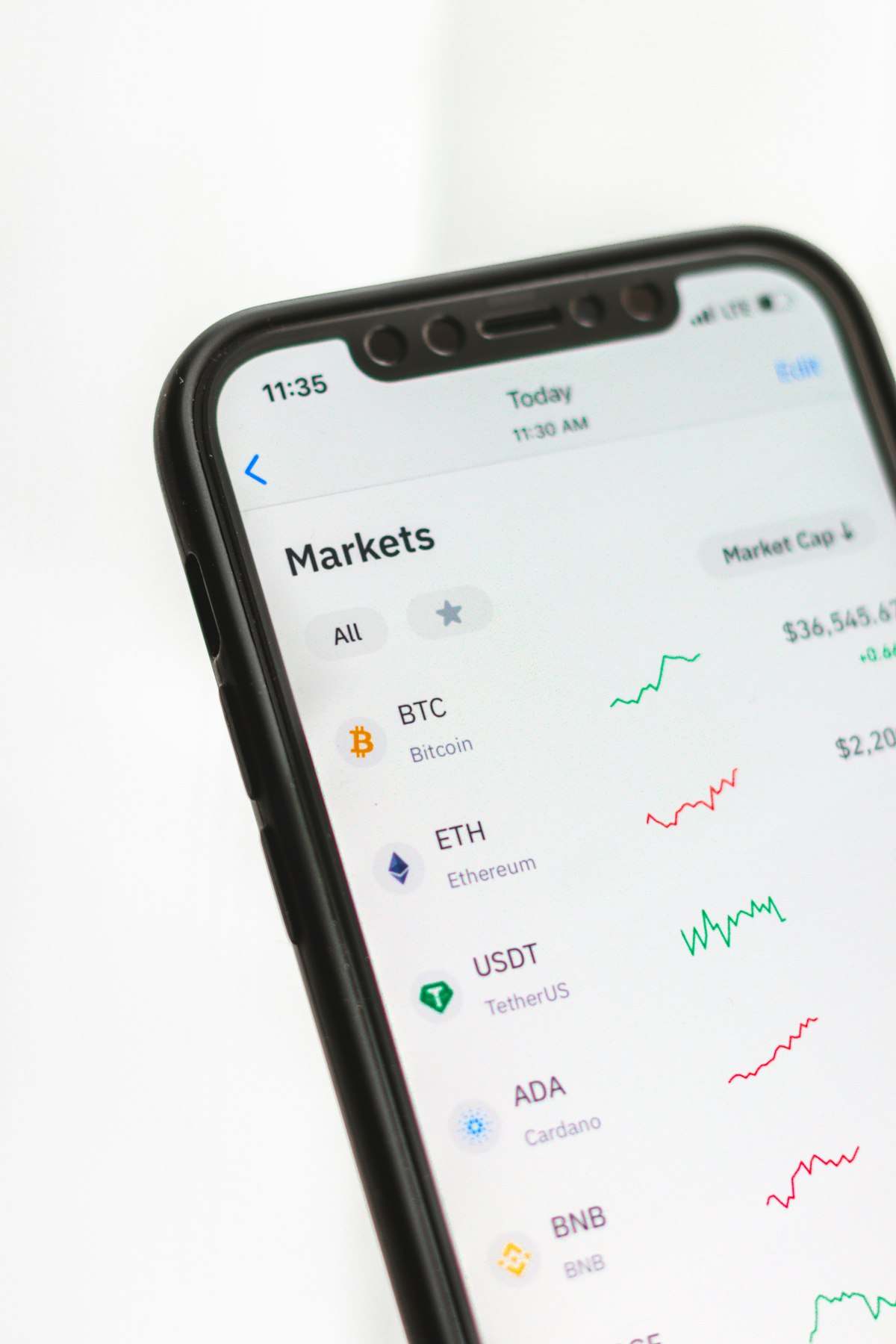
Cryptocurrency: Bitcoin maximalists love to claim crypto will replace the dollar. Interesting theory — but no central bank is going to hold reserves in something that drops 30% on a single tweet.
A BRICS currency: Brazil, Russia, India, China, and South Africa have floated the idea of a shared currency. But getting five wildly different economies to agree on monetary policy? Good luck with that.
The honest answer? The dollar’s position is weakening very slowly, but there’s no clear replacement yet. As economist Barry Eichengreen puts it: “The dollar’s dominance is less about the dollar being great and more about the alternatives being worse.”
What Does This Mean for Your Wallet?
“Cool story, but why should I care?” Fair question. Here’s why:
- Purchasing power: If the dollar weakens as a reserve currency, imported goods get more expensive — for Americans and for anyone with dollar-denominated savings.
- Interest rates: If countries stop buying US bonds, interest rates (including mortgage rates) could spike. That affects borrowing costs worldwide.
- Investment strategy: Understanding reserve currency dynamics helps with currency diversification. Holding assets in multiple currencies is a hedge against any single one losing dominance.
- Global stability: A smooth reserve currency transition = fine. A chaotic one = financial crisis. History shows these shifts don’t always go smoothly (looking at you, 1930s).
Bonus Fact
The British pound sterling was the world’s dominant reserve currency for over 100 years (roughly 1815–1920). But here’s the kicker — the UK didn’t fully accept it had lost its reserve status until the Suez Crisis of 1956, more than 30 years after the dollar had effectively taken over. Denial isn’t just a river in Egypt; it’s also a monetary policy.

Wrapping It Up
Reserve currencies might sound like a topic for economists in tweed jackets, but they affect everything — from the price of your morning coffee to whether your country can borrow money during a crisis.
The US dollar has held the throne for about 80 years, and while challengers are emerging, the old saying still holds: “The dollar is the worst reserve currency — except for all the others.”
Stay curious, stay informed, and remember: understanding how the world’s money works is the first step to making your own money work harder.
Disclaimer: This article is for educational purposes only and does not constitute financial advice. Please consult a qualified financial advisor before making any investment decisions.
Sources
- International Monetary Fund — Currency Composition of Official Foreign Exchange Reserves (COFER)
- Barry Eichengreen, “Exorbitant Privilege: The Rise and Fall of the Dollar” (2011)
- Council on Foreign Relations — The Dollar: The World’s Reserve Currency
- Federal Reserve History — Bretton Woods Agreement (1944)